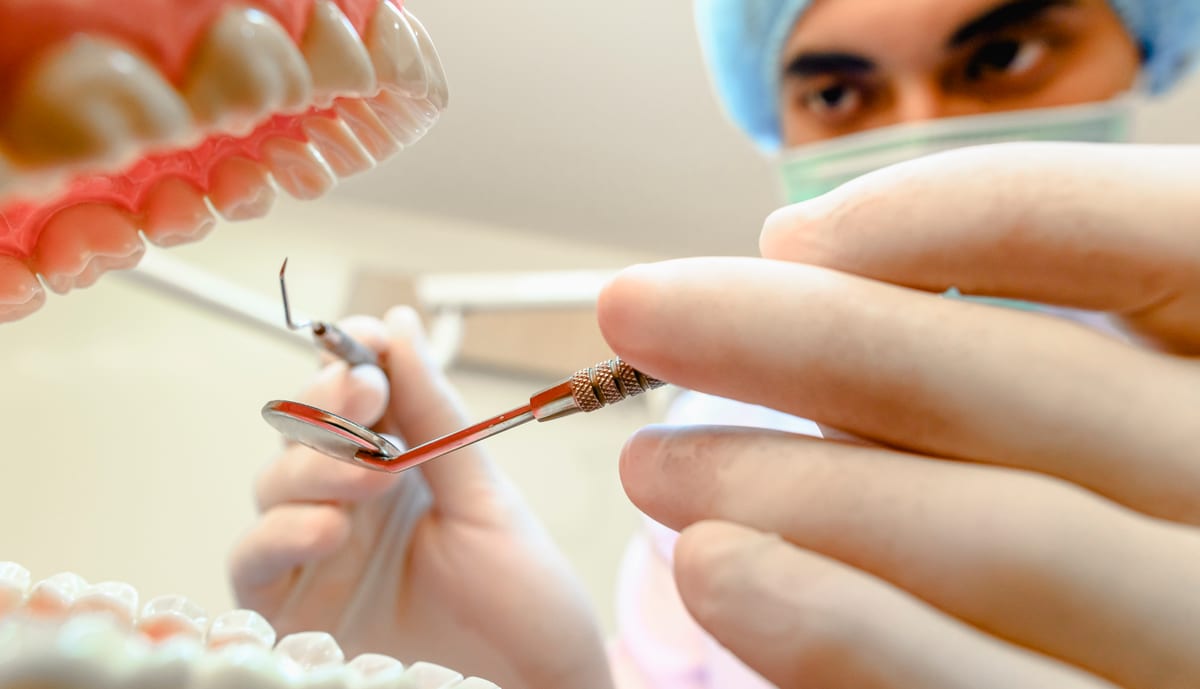



That throbbing ache at midnight raises an urgent question. Is your tooth pain a true emergency or can it wait until Monday in Back of the Hill? Knowing the difference can save you hours of unnecessary stress. It can also prevent a minor issue from becoming a serious health problem.
Not every toothache demands an after-hours call or an emergency room visit. But some symptoms genuinely cannot wait. At JP Dental in Jamaica Plain, Dr. Logan French helps patients across the Boston area understand exactly when to act fast and when to schedule a routine visit.
What Makes Tooth Pain a True Dental Emergency Back of the Hill?
A dental emergency involves more than just discomfort. It means a condition that threatens your oral health, your overall health, or involves severe, unrelenting pain. Residents of Back of the Hill should understand these warning signs clearly.
Certain situations require same-day care without question. Delaying treatment can lead to spreading infection, tooth loss, or worse. Here are the most urgent warning signs:
- Severe, throbbing pain that does not respond to over-the-counter pain relievers
- Visible swelling in your jaw, cheek, or neck area
- Fever combined with tooth pain — this may signal a dangerous abscess
- A knocked-out or fully displaced tooth from an injury
- Bleeding that will not stop after trauma to the mouth
- Difficulty swallowing or breathing alongside dental pain
Swelling that spreads toward your throat or eye is a medical emergency. Call 911 or go to an emergency room immediately if this occurs. Do not wait for a dental office to open.
Common Causes of Severe Tooth Pain and How Urgent Each One Is
Understanding what is causing your pain helps you make a smarter decision. Some causes are urgent. Others are uncomfortable but stable enough to wait a day or two.
Dental abscess: This is one of the most dangerous causes. A bacterial infection forms a pocket of pus near the tooth root or gum. Left untreated, the infection can spread to your jaw, neck, or even your brain. This is always a same-day emergency.
Cracked or fractured tooth: A cracked tooth can cause sharp pain when biting. If the crack exposes the nerve, pain will be intense and constant. This needs prompt attention, ideally within 24 hours.
Lost dental crown or filling: Losing a crown or filling is uncomfortable but usually not an emergency. The exposed tooth may be sensitive to hot and cold. You can typically wait until a regular appointment, but call your dentist to confirm.
Impacted wisdom tooth: Pressure and pain from an impacted wisdom tooth can be significant. If there is no swelling or fever, it can usually wait until a scheduled appointment. However, any sign of infection changes that immediately.
Tooth Pain That Can Safely Wait Until Monday
Not every toothache sends you rushing to an emergency dentist. Some situations, while unpleasant, are stable enough to manage at home temporarily. Knowing this can ease your anxiety and help you avoid unnecessary urgent care visits.
Here are situations that typically can wait a few days:
- Mild tooth sensitivity to hot or cold without constant pain
- A lost filling with no exposed nerve and manageable discomfort
- Minor gum irritation or soreness without swelling
- A slightly chipped tooth with no pain or sharp edges injuring your tongue
- Dull, occasional aching that comes and goes without fever or swelling
While waiting, rinse with warm salt water to reduce irritation. Over-the-counter pain relievers like ibuprofen can help manage mild discomfort. Avoid very hot, cold, or hard foods until you are seen by a dentist.
Still unsure? Call JP Dental. Dr. Logan French and the team can help you assess your symptoms over the phone and advise whether you need to come in right away.
How JP Dental Treats Dental Emergencies in the Boston Area
When you arrive for an emergency visit, Dr. French begins with a thorough examination. Digital X-rays help identify the source of your pain quickly and accurately. The goal is to relieve your pain and stabilize the problem as efficiently as possible.
Depending on the cause, treatment may vary. A deep infection may require a tooth extraction to remove the source of bacteria. In other cases, a root canal can save the tooth entirely. Your comfort and long-term oral health always guide treatment decisions.
After an emergency, Dr. French discusses your options for restoring the tooth. For example, Implant Crowns And Bridges offer a durable and natural-looking solution after tooth loss. For patients who want to address cosmetic concerns alongside dental health, Veneers may also be worth exploring during a follow-up visit.
JP Dental serves the entire Boston community, including neighbors from Back of the Hill. The practice is committed to making emergency care accessible and stress-free for every patient.
Steps to Take While You Wait for Your Emergency Appointment
Taking the right steps before your appointment can reduce pain and prevent further damage. These tips apply whether your visit is same-day or a few days away.
- Rinse gently with warm salt water to clean the area and reduce bacteria.
- Take over-the-counter pain relievers like ibuprofen or acetaminophen as directed on the label.
- Apply a cold compress to the outside of your cheek for swelling — 20 minutes on, 20 minutes off.
- Avoid using the affected side of your mouth when eating or drinking.
- Do not place aspirin directly on your gum — this can cause tissue burns and worsen irritation.
- Keep your head elevated when lying down to reduce throbbing pain overnight.
These steps manage symptoms. They do not replace professional dental care. Contact JP Dental as soon as possible to address the underlying cause.
Frequently Asked Questions
How do I know if my toothache is a dental emergency?
You likely have a dental emergency if your pain is severe and constant, if you have facial swelling, a fever, or difficulty swallowing. A knocked-out tooth or uncontrolled bleeding also requires immediate attention. When in doubt, call a dentist to describe your symptoms and get guidance.
Can a tooth infection go away on its own without treatment?
No. A dental abscess or tooth infection will not resolve without professional treatment. The infection can spread to surrounding tissue, your jaw, or other parts of your body. Antibiotics and dental treatment are required to eliminate the infection safely.
What should I do if my tooth gets knocked out?
Pick up the tooth by the crown, not the root. Rinse it gently without scrubbing. Try to reinsert it into the socket if possible, or keep it moist in milk or saliva. Get to a dentist within 30 minutes for the best chance of saving the tooth.
Is it safe to take pain medication before a dental emergency visit?
Yes, over-the-counter pain relievers like ibuprofen or acetaminophen are generally safe before your visit. Follow package directions carefully. Avoid placing pain medication directly on your gum or tooth, as this can cause chemical burns to soft tissue.
Does JP Dental see emergency patients from Back of the Hill?
Yes. JP Dental welcomes emergency patients from Back of the Hill and the surrounding Boston communities. Dr. Logan French and the team work to accommodate urgent cases as quickly as possible. Call the practice to explain your symptoms and they will help you determine the next best step.
Tooth pain should never be ignored, especially when serious warning signs are present. Whether your situation is urgent or can wait a few days, JP Dental is here to guide you through every step. Book Now to schedule your appointment with our team.