
Dental Crowns Mission Hill: Is This Right for You?
If you’re dealing with a damaged tooth in Mission Hill, you’ve probably heard about dental crowns. But how do you know if this restoration is the right choice for your situation? Understanding when dental crowns make sense—and when they don’t—helps you make informed decisions about your oral health.
Dental crowns in Mission Hill are one of the most versatile restorative treatments available. They protect weakened teeth, restore function, and improve appearance. But they’re not always the best solution for every dental problem.
This guide helps you assess whether you’re a good candidate for a crown. We’ll walk through the signs that suggest a crown might be ideal. We’ll also explore situations where alternative treatments might serve you better.
What Are Dental Crowns and How Do They Work?
A dental crown is a custom-made cap that covers the entire visible portion of a tooth. It fits over your natural tooth structure like a protective shell. Crowns restore teeth that are too damaged for simple fillings.
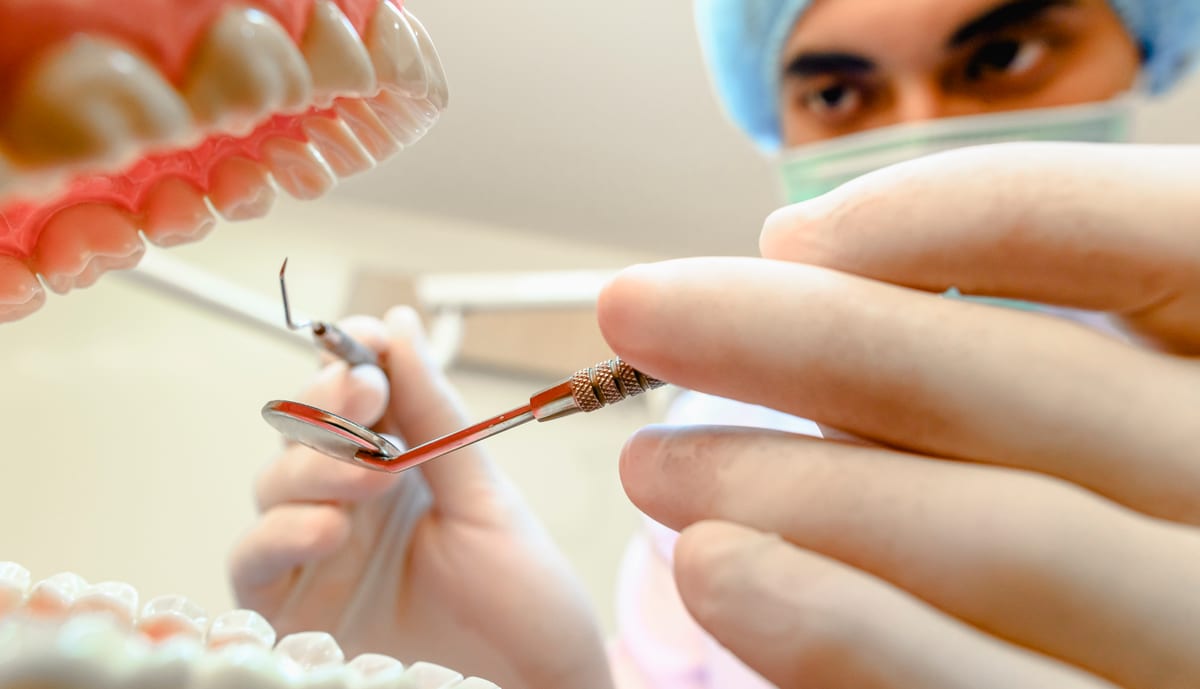
The crown procedure typically requires two visits. During your first appointment, Dr. Logan French prepares the tooth by removing damaged areas and shaping it. He then takes impressions that guide the creation of your custom crown.
A temporary crown protects your tooth while the permanent one is crafted. At your second visit, the temporary comes off and the permanent crown is cemented in place. The result is a tooth that looks natural and functions normally.
Modern crowns use materials like porcelain, ceramic, or zirconia. These materials mimic the appearance of natural teeth while providing exceptional durability. With proper care, crowns can last 10 to 15 years or longer.
Signs You May Be a Good Candidate for Dental Crowns Mission Hill
Certain dental conditions respond exceptionally well to crown treatment. If you recognize these signs, a crown might be the ideal solution for protecting your smile.
- Your tooth has a large filling that takes up more than half the tooth structure
- You’ve had root canal therapy and need to protect the treated tooth
- Your tooth is severely cracked or fractured but the root remains healthy
- You have significant tooth decay that’s too extensive for a standard filling
- Your tooth is severely worn down from grinding or acid erosion
- You want to improve the appearance of a misshapen or discolored tooth
- You need to anchor a dental bridge to replace missing teeth
- Your dentist has identified a tooth at high risk of breaking without protection
Many Mission Hill residents discover they need crowns after years of wear on their teeth. The cold Boston winters can make some people clench or grind their teeth at night. This habit gradually weakens tooth structure over time.
If your tooth still has a healthy root and adequate structure above the gum line, a crown can save it. This preservation approach keeps your natural tooth in place rather than extracting it. Saving natural teeth maintains better jaw structure and oral function.
Signs You May Want a Different Approach
Crowns are excellent solutions for many situations, but they’re not always the right answer. Some dental conditions respond better to alternative treatments that are less invasive or more appropriate.
- Your tooth damage is minimal and can be repaired with a simple filling
- The tooth decay extends deep below the gum line, making crown placement impossible
- Your tooth root is severely damaged or infected beyond repair
- You have active gum disease that needs treatment before any restorative work
- The tooth has insufficient structure remaining to support a crown
- You’re looking for orthodontic correction rather than cosmetic reshaping
- Your budget requires exploring more conservative options first
- You have a temporary condition that might resolve with less invasive treatment
Sometimes what looks like a crown candidate actually needs extraction and replacement. If the tooth structure is too compromised, an implant might provide a better long-term solution. Other times, a simple filling or inlay can address the problem without covering the entire tooth.
For cosmetic concerns alone, veneers might achieve your goals with less tooth reduction. Veneers cover only the front surface of teeth rather than the entire tooth. They work well when the tooth structure is sound but appearance needs improvement.
If you’re preparing for graduation photos or prom season here in Mission Hill, timing matters too. Some treatments work faster than others. A consultation helps determine the best approach for your timeline and goals.
How Mission Hill Location Affects Your Crown Decision
Living in Mission Hill means you have access to quality dental care close to home. The neighborhood’s proximity to major medical centers brings skilled professionals right to your community. This convenience makes it easier to complete multi-visit procedures like crown placement.
Boston’s climate can impact your dental health in unexpected ways. Cold weather encourages hot beverage consumption, which can stain teeth and make color-matching important. Temperature extremes also cause teeth to expand and contract slightly, which high-quality crown materials handle well.
JP Dental serves patients throughout Mission Hill and nearby areas like Brookline. Dr. Logan French understands the specific needs of Boston-area patients. His approach combines advanced techniques with personalized care that respects your time and concerns.
Spring in Mission Hill brings a busy season of graduations and celebrations. Many patients schedule smile improvements during late spring. They want to look their best for photos and special occasions. If you’re considering a crown for cosmetic reasons, planning ahead ensures completion before your important dates.
What to Expect During Your Crown Consultation
A consultation removes the guesswork from your decision. Dr. French examines your tooth and surrounding structures to determine if a crown is appropriate. This assessment includes digital imaging and a thorough evaluation of your bite.
During the consultation, you’ll discuss your symptoms and goals. Are you experiencing pain, sensitivity, or cosmetic concerns? Your answers help determine whether a crown addresses your specific needs. Dr. French explains exactly what the procedure involves and what results you can expect.
The examination reveals important details about tooth structure and health. X-rays show what’s happening beneath the surface, including root condition and bone support. This complete picture determines if a crown will succeed or if another treatment makes more sense.
You’ll also learn about crown materials and which type suits your situation best. Front teeth typically use all-porcelain crowns for optimal appearance. Back teeth might use zirconia or porcelain-fused-to-metal for maximum strength. The consultation covers all these options in detail.
If a crown isn’t the right solution, Dr. French recommends alternatives. This honest assessment ensures you receive the treatment that truly serves your best interests. Sometimes that means a crown, and sometimes it means a different approach entirely.
Making Your Decision: Crown or Alternative Treatment
Your consultation provides the information you need to make a confident decision. Understanding the benefits and limitations of crowns helps you weigh your options. Most patients find that the consultation answers questions they didn’t even know they had.
Consider your long-term oral health goals when evaluating treatment options. Crowns represent an investment in preserving your natural tooth structure. They prevent further damage and restore full function. But they also require commitment to good oral hygiene and regular check-ups.
Think about your lifestyle and habits too. If you grind your teeth, you might need a night guard along with your crown. If you play contact sports, a custom mouthguard protects your restoration. Dr. French discusses these factors during your consultation to ensure treatment success.
Your timeline matters as well. Crown placement typically requires two visits spread over a few weeks. If you need faster results, other treatments might work better. Conversely, if you want the most durable long-term solution, waiting for a crown might be worthwhile.
The decision ultimately comes down to matching the right treatment to your specific situation. Cookie-cutter approaches don’t work in dentistry. What works perfectly for one Mission Hill patient might not suit another, even with similar symptoms.
Conclusion: Your Next Steps Toward a Healthier Smile
Determining whether dental crowns in Mission Hill are right for you starts with understanding your options. The signs we’ve covered help you assess your situation before your appointment. But only a professional evaluation provides definitive answers.
If you recognize the signs that suggest you’re a crown candidate, don’t wait to seek treatment. Delaying care often leads to more extensive damage and more complex procedures. Early intervention with a crown can save your tooth and prevent future problems.
Even if you’re not sure whether you need a crown, a consultation provides clarity. Dr. Logan French takes time to examine your teeth, answer your questions, and explain your options. You’ll leave with a clear understanding of the best path forward for your oral health.
Whether you’re dealing with a damaged tooth or simply want to improve your smile before summer arrives, professional guidance makes all the difference. Book Now to schedule your appointment with our team.
Frequently Asked Questions
How long does it take to get a dental crown in Mission Hill?
The crown process typically requires two appointments spaced about two to three weeks apart. Your first visit involves tooth preparation and impressions, taking about an hour. The second visit to place the permanent crown usually takes 30 to 45 minutes. A temporary crown protects your tooth between appointments.
Are dental crowns painful to get?
The crown procedure itself isn’t painful because Dr. French uses local anesthesia to numb the area completely. You might feel slight pressure during tooth preparation, but not pain. After the anesthesia wears off, you may experience minor sensitivity for a few days. Over-the-counter pain relievers typically manage any discomfort effectively.
Can I eat normally with a dental crown?
Yes, crowns restore full chewing function once they’re permanently cemented. You should avoid extremely hard foods like ice or hard candy that could damage any tooth. Your temporary crown requires more caution—stick to softer foods and chew on the opposite side. Once your permanent crown is placed, you can return to your normal diet.
What’s the difference between a crown and a veneer?
A crown covers the entire visible portion of a tooth, wrapping around it completely for maximum protection. A veneer covers only the front surface of a tooth and is primarily cosmetic. Crowns restore structure and function to damaged teeth, while veneers improve appearance of healthy teeth. Crowns require more tooth reduction than veneers.
How do I know if my tooth needs a crown or just a filling?
The extent of damage determines which treatment is appropriate. Fillings work for small to moderate cavities that affect less than half the tooth. Crowns become necessary when damage is extensive, when a tooth has a large existing filling, or after root canal therapy. Dr. French evaluates the remaining tooth structure to make this determination during your examination.