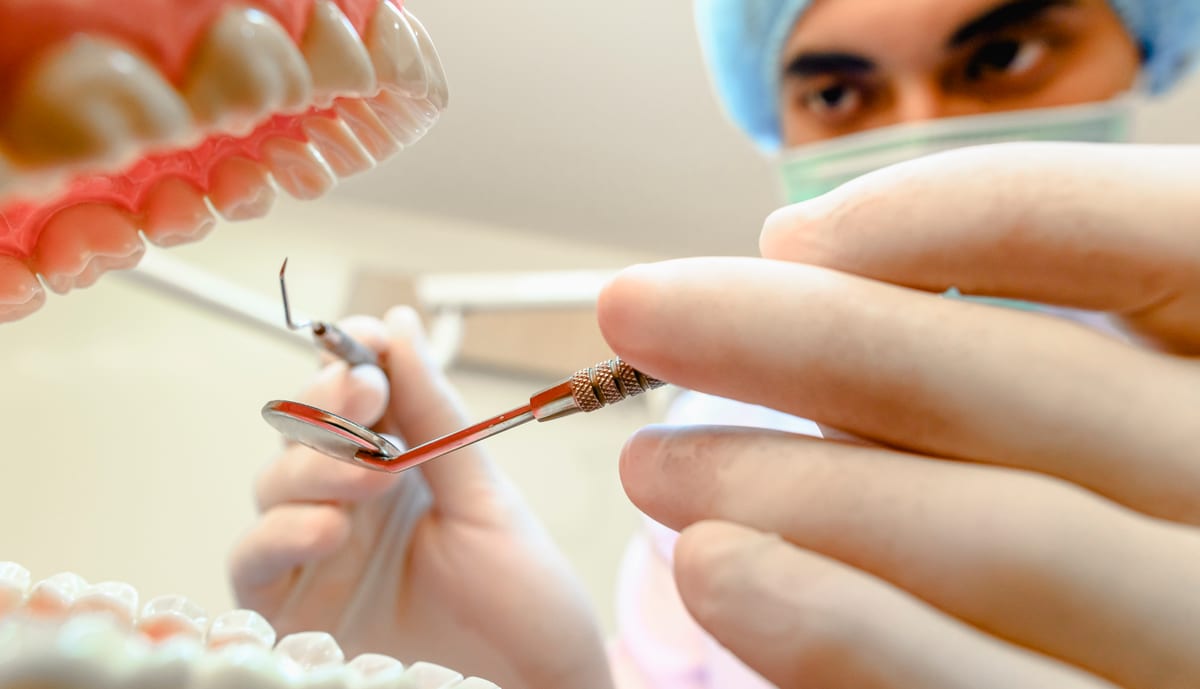



Getting new dentures is a big step. Many patients at JP Dental – Jamaica Plain feel excited and nervous at the same time. Your first month with dentures brings a learning curve, especially around eating. This complete eating roadmap for patients will guide you through every stage — from your very first soft bites to confidently enjoying a wider range of foods.
Dr. Logan French designed this guide to be practical and honest. Adapting to dentures takes time, patience, and the right information. Understanding what to eat — and when — makes that transition much smoother.
Week One: Starting Slow With Soft Foods
Your mouth needs time to adjust after receiving dentures. Gum tissue is often tender during the first week. Starting with soft, easy-to-chew foods protects your comfort and your new appliance.
Think of week one as a gentle introduction. Your jaw muscles are learning new movement patterns. Soft foods reduce strain while your mouth heals and adapts.
Great options for your first week include:
- Yogurt, pudding, and applesauce
- Mashed potatoes and soft-cooked vegetables
- Scrambled eggs and soft tofu
- Oatmeal, cream of wheat, and smoothies
- Soft fish like tilapia or salmon
- Soup with small, tender pieces
Cut all food into very small pieces. Chew slowly and use both sides of your mouth equally. This distributes pressure evenly and keeps your dentures stable.
Weeks Two and Three: Expanding Your Eating Roadmap
By week two, most patients notice less soreness. Your gums are firming up around the denture base. This is a good time to gradually introduce slightly firmer textures.
Progress should feel comfortable, not forced. If a new food causes discomfort, return to softer options. There is no race to eating a full menu.
Foods to try during weeks two and three:
- Soft bread and pancakes
- Ground meat and tender chicken
- Cooked pasta and soft rice
- Ripe bananas, melon, and peaches
- Soft-cooked beans and lentils
- Cheese and dairy products
Avoid biting with your front teeth during this stage. Use your back teeth for chewing instead. This small habit prevents denture tipping and improves stability significantly.
What to Avoid Permanently With Dentures
Some foods remain challenging even after full adaptation. Knowing which ones to limit protects your dentures long-term. It also keeps your jaw comfortable and your appliance fitting correctly.
Certain textures and consistencies put excessive stress on dentures. Others can dislodge or damage the appliance entirely. Being mindful of these foods saves you from emergency visits and costly repairs.
Foods to avoid or limit permanently include:
- Hard candies and ice cubes
- Whole nuts and seeds
- Sticky foods like caramel and gummy candies
- Corn on the cob and whole apples
- Tough, chewy meats like steak and jerky
- Crusty bread and hard rolls
- Popcorn with hard kernels
Sticky foods are especially problematic. They pull at the denture base and can break the adhesive seal. If you love apples, slice them thinly instead of biting in directly.
Some patients eventually explore other tooth replacement options like Implant Crowns And Bridges. These options can offer more chewing stability for those who want greater dietary freedom long-term.
Tips for Eating Comfortably Throughout Month One
Beyond food choices, a few practical habits improve your daily eating experience. These tips help you feel confident at the table faster. They also reduce frustration during the adjustment period.
Stay hydrated throughout each meal. Moisture helps food move more easily and supports denture stability. Dry foods are harder to manage and can feel uncomfortable against tender gums.
Additional tips for comfortable eating include:
- Use denture adhesive as directed for extra stability
- Take smaller bites than you normally would
- Chew slowly and deliberately on both sides
- Avoid talking and chewing at the same time
- Rinse your mouth after every meal
- Remove and clean your dentures daily
Temperature sensitivity is common early on. Very hot foods and drinks may feel different through dentures. Let hot items cool slightly before eating or drinking them.
Cosmetic Options That Complement Your Smile Journey
Some patients choose dentures after years of dental challenges. Others use them as a stepping stone toward a broader smile transformation. Either way, your smile journey does not stop at dentures.
Patients with remaining natural teeth sometimes explore cosmetic options alongside restorative care. Veneers can enhance the appearance of surrounding teeth for a more uniform, confident smile. Dr. Logan French can discuss which combination of treatments suits your specific needs.
Every smile is unique. A personalized plan ensures your comfort, function, and confidence all improve together. Eating well is just one part of that bigger picture.
Conclusion: Your First Month Sets the Foundation
Your first month with dentures is truly the foundation for everything that follows. The habits you build now — eating slowly, choosing the right foods, cleaning daily — shape your long-term success. Patients who follow a structured eating roadmap tend to adapt faster and feel more confident sooner.
Dr. Logan French and the team at JP Dental – Jamaica Plain are here to support you at every stage. Whether you need a follow-up adjustment, dietary guidance, or a broader smile consultation, we are ready to help. Book Now to schedule your appointment with our team.
Frequently Asked Questions
How long does it take to eat normally with new dentures?
Most patients begin eating a wider range of foods within four to six weeks. Full adaptation varies by individual. Following a structured eating progression in your first month significantly speeds up the process.
Can I eat hot foods with dentures?
Yes, but with caution. Dentures can reduce heat sensitivity in your gums, making it harder to judge temperature. Let hot foods and drinks cool slightly before consuming them to avoid burns.
Why do my dentures feel loose when I eat?
Some movement is normal during the first weeks as your gums adjust. Chewing on both sides simultaneously helps distribute pressure evenly. If looseness persists beyond a few weeks, contact Dr. Logan French for a fitting adjustment.
Is denture adhesive necessary for eating?
Not always, but many new denture wearers find it helpful during the first month. Adhesive provides extra stability while you build confidence and muscle memory. Ask your dentist whether it is appropriate for your specific denture type.
What should I do if eating causes pain or sore spots?
Return to soft foods immediately and contact your dental provider. Sore spots often mean the denture needs a minor adjustment. Never ignore persistent pain — early adjustments prevent larger problems down the road.