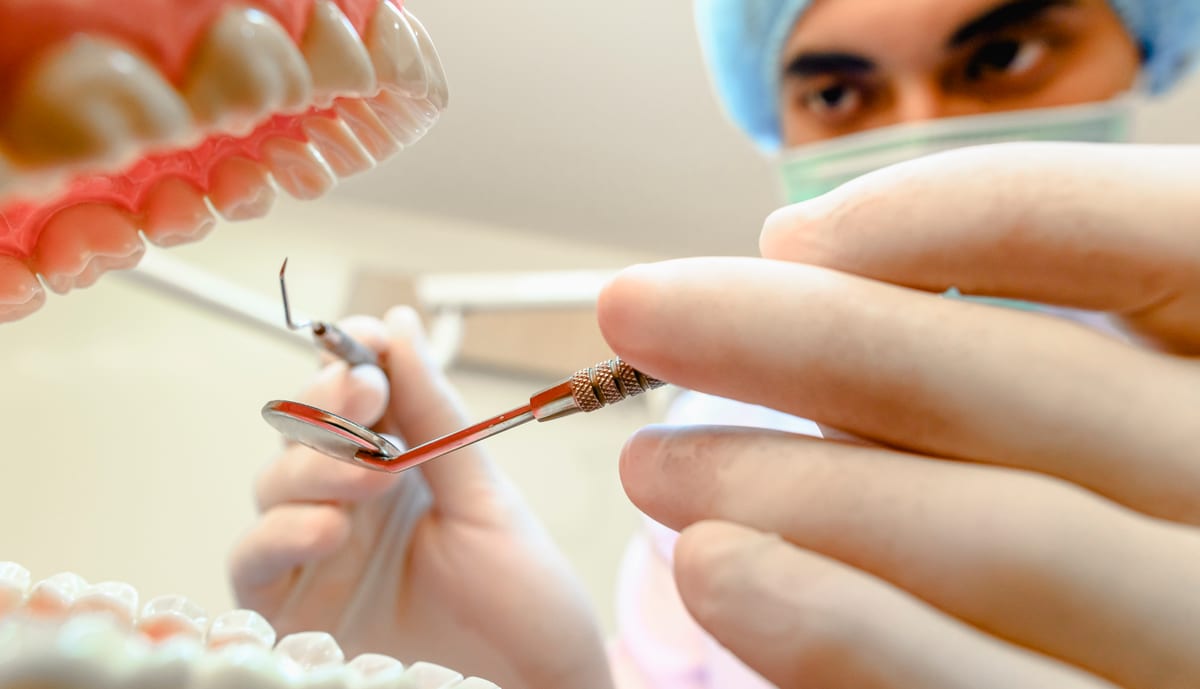



If you have a crown appointment coming up, you might be feeling a little nervous. Understanding what actually happens during your dental crown appointment in Mission Hill can make a huge difference. When you know what to expect, the whole experience feels far less intimidating. Dr. Logan French and the team at JP Dental are here to walk you through every step.
A dental crown is a tooth-shaped cap that fits over a damaged or weakened tooth. It restores strength, shape, and appearance. The process typically involves two separate visits, and each one has a clear, predictable purpose. Let’s break it all down so you arrive feeling informed and at ease.
Your First Visit: Numbing, Shaping, and the Temporary Crown
Your first appointment is where most of the hands-on work happens. Before anything else, Dr. French will apply a local anesthetic to numb the area around your tooth. You might feel a small pinch from the injection, but the numbing takes effect within a few minutes. Most patients are surprised by how comfortable the process actually feels.
Once you are numb, the tooth preparation begins. Dr. French carefully reshapes the tooth to make room for the crown. This involves removing a thin outer layer of enamel. The amount removed depends on the type of crown being placed and the condition of your tooth.
Here is what happens during the shaping phase:
- The tooth surface is gently reduced using a dental drill
- Any decay or damage is removed at the same time
- The tooth is shaped into a precise form that supports the crown
- The area is cleaned and prepped for impressions
After shaping, an impression of your tooth is taken. This creates an exact mold that the dental lab uses to craft your permanent crown. At JP Dental, digital scans are often used instead of traditional putty. Either way, the impression captures every detail with accuracy.
Before you leave, a temporary crown is placed over the prepared tooth. This protects the tooth while your permanent crown is being made. Temporary crowns are made from a softer acrylic material. They are designed to stay in place for a couple of weeks, not permanently.
What to Expect Between Your Two Appointments
The time between visits is usually one to two weeks. During this period, your permanent crown is being crafted by a dental lab. Your temporary crown does an important job of protecting the reshaped tooth underneath. It also helps you maintain normal chewing function.
Here are a few tips to follow while wearing your temporary crown:
- Avoid sticky or chewy foods like caramel or gum
- Chew on the opposite side of your mouth when possible
- Brush gently around the temporary crown
- Floss carefully by sliding the floss out sideways rather than lifting it up
- Contact JP Dental right away if the temporary crown feels loose or falls off
Some mild sensitivity is completely normal during this period. Cold drinks or air may cause a brief, sharp sensation. This typically settles down once the permanent crown is placed. If pain becomes severe or constant, reach out to the practice so Dr. French can check on things.
Your Second Visit: Fitting and Cementing the Permanent Crown in Mission Hill
Your second appointment is usually shorter and more straightforward. Dr. French will first remove the temporary crown. The tooth and surrounding area will be cleaned and dried. Then the permanent crown is tried on for the first time.
Dr. French checks several important things before cementing the crown in place:
- The fit along the gumline and between neighboring teeth
- The bite alignment when you close your mouth naturally
- The color match to surrounding teeth
- The overall comfort and feel in your mouth
Small adjustments are made if anything feels off. This step is important and should never be rushed. Once everything looks and feels right, the crown is permanently cemented onto the tooth. The area is numbed again so you feel no discomfort during this process.
After cementing, Dr. French checks your bite one final time. You may notice a slight adjustment period as your mouth gets used to the new crown. This usually resolves within a day or two. If something still feels uneven after a week, a quick follow-up visit can easily address it.
How Dental Crowns Connect to Other Restorative Options
Crowns are one of the most versatile tools in restorative dentistry. They do more than just cover a damaged tooth. Crowns play a central role in several other treatments that Dr. French offers at JP Dental. Understanding those connections helps you see the full picture of your dental health.
For example, crowns are a key component in Implant Crowns And Bridges. When a dental implant is placed to replace a missing tooth, a crown is attached on top to complete the restoration. The crown is what you actually see and chew with. It makes the implant look and function like a natural tooth.
Crowns are also sometimes compared to Veneers when patients want to improve the appearance of their smile. Veneers are thin shells that cover just the front surface of a tooth. Crowns, by contrast, cover the entire tooth. Your treatment needs will determine which option is the better fit for you.
Dr. French takes time to explain all available options before any treatment begins. His approach is always patient-centered and educational. No one leaves JP Dental confused about what was done or why. Understanding your treatment is part of the care you receive.
Tips for Caring for Your New Crown Long-Term
A well-placed crown can last ten to fifteen years or even longer with proper care. Treating it like a natural tooth goes a long way. Brushing twice daily and flossing once a day keeps the area healthy. The gumline around the crown needs just as much attention as the rest of your mouth.
Avoid habits that put extra stress on your crown. Chewing ice, biting fingernails, or grinding your teeth can chip or crack even a strong crown. If you grind your teeth at night, ask Dr. French about a night guard. It is a simple way to protect your investment and your overall oral health.
Regular checkups at JP Dental allow Dr. French to monitor your crown over time. Any small issues can be caught and addressed early. Consistent care is the simplest way to get the most out of your restoration. Patients in Mission Hill who stay on top of their dental visits tend to have the best long-term outcomes.
Conclusion
Understanding what actually happens during your dental crown appointment in Mission Hill takes the mystery out of the process. From the first numbing injection to the final bite check, every step has a clear purpose. Dr. Logan French and the JP Dental team prioritize your comfort and confidence throughout. You deserve to walk into your appointment feeling ready. Book Now to schedule your appointment with our team.
Frequently Asked Questions
Does getting a dental crown hurt?
Most patients experience very little discomfort during a crown appointment. Local anesthesia is used to numb the area thoroughly before any preparation begins. You may feel pressure or vibration, but sharp pain is uncommon. Some mild soreness after the numbness wears off is normal and usually fades quickly.
How long does a dental crown appointment take?
The first appointment typically takes about 60 to 90 minutes. This includes numbing, tooth preparation, impressions, and placing the temporary crown. The second appointment is usually shorter, often 30 to 45 minutes. The exact time depends on the complexity of your specific case.
Can I eat normally after getting a temporary crown?
You can eat after a temporary crown is placed, but you should be cautious. Avoid sticky, chewy, or hard foods that could dislodge the temporary. Try to chew on the opposite side of your mouth when possible. Once your permanent crown is placed, normal eating can resume fully.
How do I know if I need a dental crown?
Crowns are typically recommended when a tooth is cracked, severely decayed, or weakened after a root canal. They are also used to complete a dental implant or anchor a dental bridge. Dr. French will evaluate your tooth during an exam and explain whether a crown is the right solution for you.
How long do dental crowns last?
With good oral hygiene and regular dental visits, crowns can last ten to fifteen years or longer. The longevity depends on the material used and how well you care for the crown. Avoiding habits like grinding, chewing ice, or biting hard objects helps extend the life of your crown significantly.