
If you’ve ever been to a dentist, you’ve probably heard about dental sealants. They’re those thin, transparent or white coatings dentists paint onto the chewing surfaces of your back teeth—mostly your molars. Sealants are all about prevention, especially for kids and adults whose teeth are more likely to get cavities. But do they really do more than just fight cavities? Let’s break down what these sealants actually offer for your mouth.
What are dental sealants?
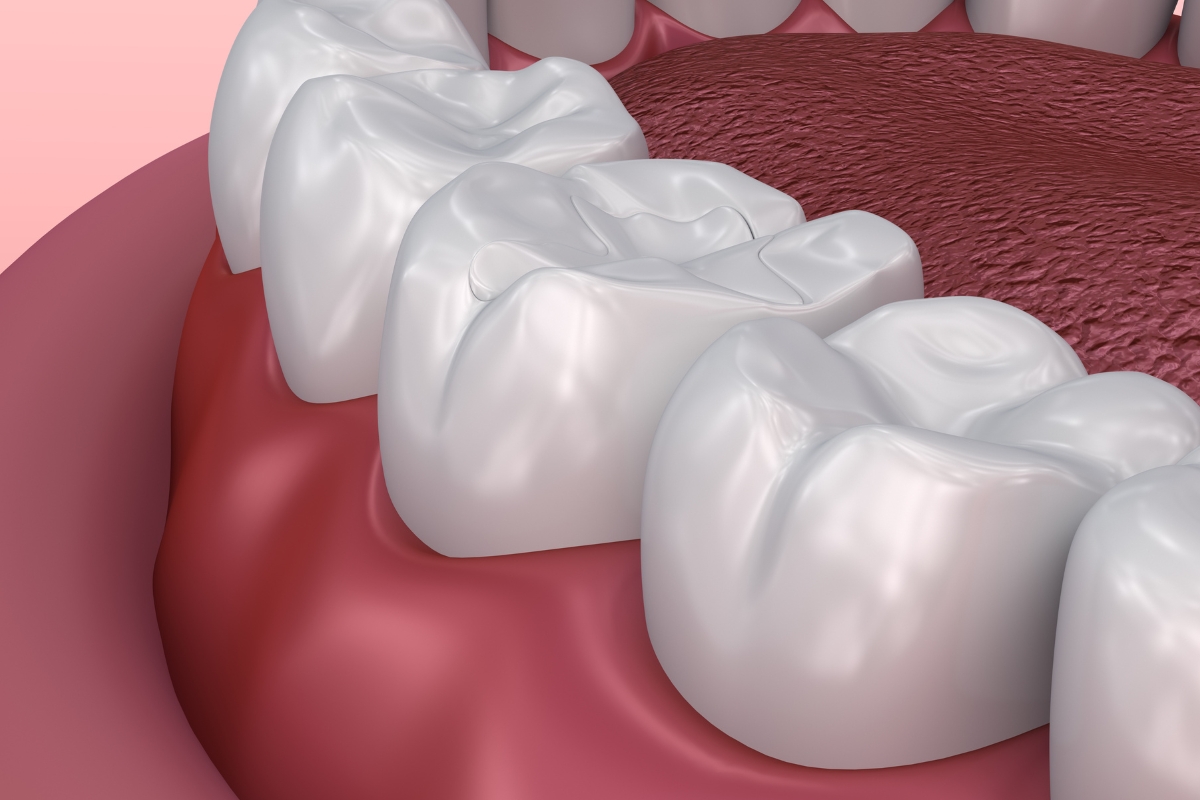
Imagine a shield for your teeth. Dentists brush this resin material right into the grooves and pits of your molars, then harden it with a UV light. Once it’s set, it blocks out bacteria, plaque, and leftover food—basically everything that tries to sneak into those hard-to-clean spots. Sealants are all about stopping cavities before they even start.
And they work. Studies show sealants can cut the risk of cavities by up to 80% in the first couple of years, and if you take care of them, they’ll keep working for at least five years—sometimes even longer. They’re handy for people who aren’t the best at brushing or who love sugary snacks a little too much.
Do Sealants Protect Against Gum Disease?
That’s where things get a little more complicated. Sealants do a great job protecting your enamel from decay, but they don’t really help your gums. Gum disease (gingivitis or periodontitis) happens when plaque builds up along the gum line, and sealants don’t reach there. They only cover the tops of your teeth, not the sides or the areas near your gums.
Still, there’s a benefit to it. Fewer cavities mean fewer places for bacteria to hide, and that can help lower your risk for infections that mess with your gums. Plus, with smooth, protected chewing surfaces, it’s easier to keep your teeth clean all over—including your gums.
Why Are Dental Sealants Important for Preventing Cavities?
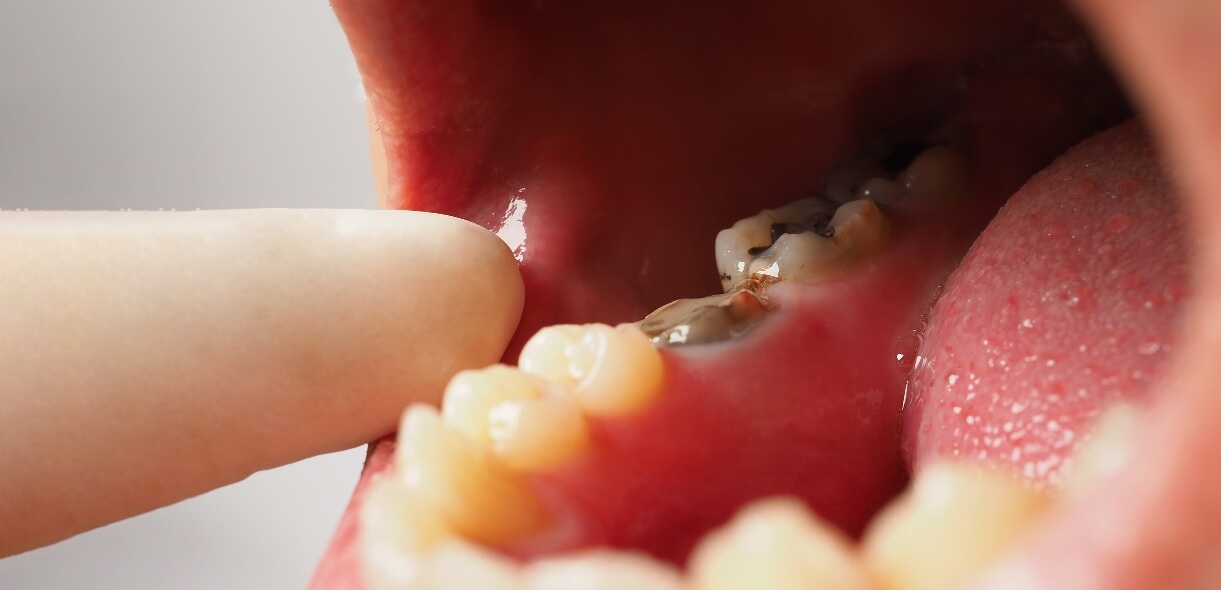
The grooves and pits in your molars attract layers of plaque. Even if you brush following the best brushing techniques, those deep spots can sometimes be tough to reach. Sealants act like a barrier, making it much harder for bacteria to get in and cause trouble. That means fewer fillings, fewer infections, and a lower risk of more serious dental problems down the road.
Taking care of your sealants is pretty straightforward. Just keep up with your usual dental check-ups—your dentist will check if the sealants are still holding up. Stick to your regular brushing and flossing routine, try not to go overboard with sugary snacks, and don’t skip cleanings. If you’re worried about gum disease, make sure you’re brushing along the gum line and seeing your dentist for professional cleanings.
At JP Dental, we include sealants as part of our preventive care. If you want to keep cavities away and make things easier on your gums, dental sealants are a smart move—especially for kids and anyone who deals with a lot of dental decay. They’re fast, safe, and give you solid protection that lasts.
Frequently Asked Questions
1. How long do dental sealants last?
Dental sealants typically last up to 5 years, depending on how well they are maintained. Regular dental check-ups will help determine if they need to be reapplied.
2. Are dental sealants safe?
Yes, dental sealants are considered safe for both children and adults. They are made from BPA-free materials that do not harm your health.
3. Do dental sealants hurt?
No, the process of applying dental sealants is pain-free. It involves no drilling or injections.
4. Can adults get dental sealants?
Yes, adults can benefit from dental sealants, especially if they have deep grooves in their molars that are prone to cavities.
5. Can dental sealants help prevent all types of cavities?
Dental sealants are most effective at preventing cavities in the grooves of your molars, but do not protect against decay along the gum line or in between teeth.