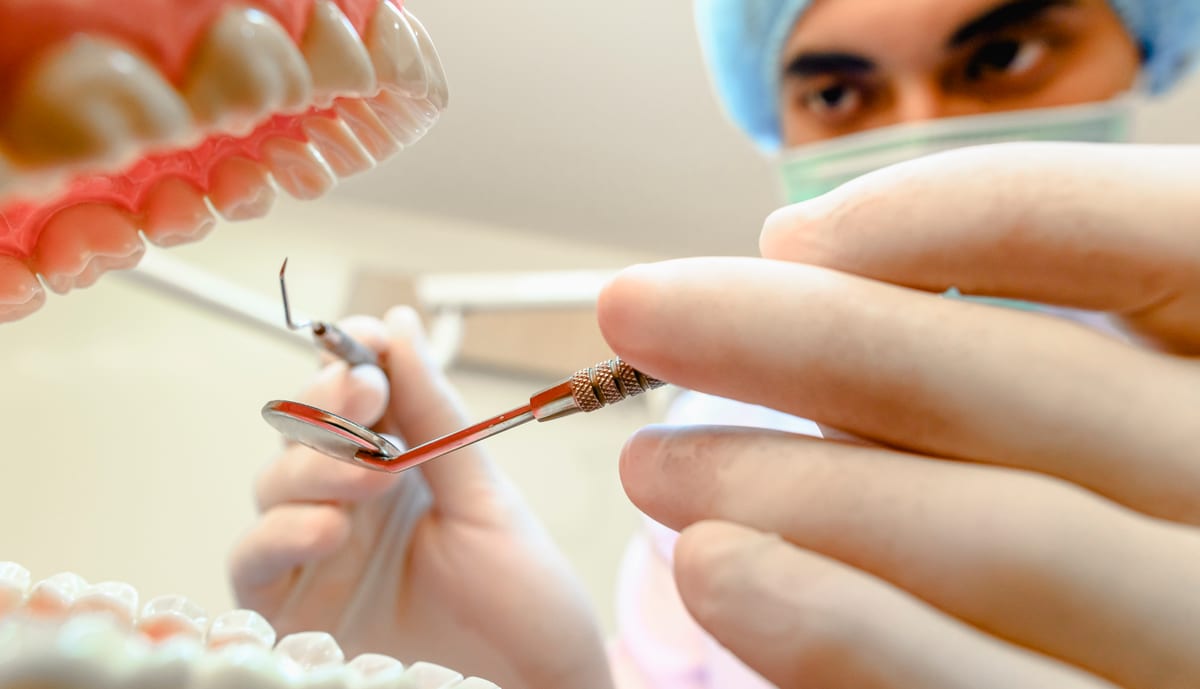



Tooth Extraction Boston: What to Expect and When It’s Necessary
If you’re searching for tooth extraction in Boston, you likely have questions and concerns. Maybe you’re dealing with pain, infection, or a tooth that’s simply beyond saving. At JP Dental in Jamaica Plain, Dr. Logan French helps Boston patients understand every step of the process. This guide covers when extractions are needed, what the procedure involves, and what comes next for your smile.
When Is a Tooth Extraction in Boston Necessary?
Dentists always try to save natural teeth first. However, some situations make extraction the best choice for your long-term health. Understanding the reasons can help ease anxiety about the procedure.
Common reasons a tooth may need to be removed include:
- Severe tooth decay that cannot be restored with a filling or crown
- Advanced gum disease that has damaged the bone supporting the tooth
- A cracked or broken tooth that extends below the gum line
- Impacted wisdom teeth causing pain, crowding, or infection
- Overcrowding before orthodontic treatment
- A baby tooth that hasn’t fallen out on its own
Dr. French will always perform a thorough evaluation before recommending extraction. He uses digital X-rays to assess the full picture. If a tooth can be saved with a dental crown or other restorative treatment, that option will be explored first.
What Happens During a Tooth Extraction in Boston?
Many patients feel nervous about extractions. Knowing what to expect can make the experience far less stressful. The process is straightforward and your comfort is the top priority at JP Dental.
There are two main types of extractions: simple and surgical.
A simple extraction is performed on a tooth that is visible above the gum line. The dentist loosens the tooth with a dental instrument called an elevator, then removes it with forceps. You’ll receive local anesthesia so you won’t feel pain during the procedure.
A surgical extraction is needed for teeth that are broken, impacted, or below the gum line. This involves a small incision in the gum tissue. Sedation options are available to keep you comfortable throughout the visit.
Here’s what to expect step by step:
- Your dentist reviews your X-rays and medical history
- Local anesthesia is administered to numb the area
- The tooth is carefully loosened and removed
- Gauze is placed to control bleeding and protect the socket
- You receive detailed aftercare instructions before leaving
Recovery Tips After Your Extraction
Recovery from a tooth extraction is usually smooth when you follow the right steps. Most patients feel back to normal within a few days. Proper aftercare protects the socket and helps it heal correctly.
Follow these guidelines to recover comfortably:
- Bite gently on gauze for 30 to 45 minutes after the procedure
- Avoid rinsing, spitting forcefully, or using a straw for 24 hours
- Apply an ice pack to your cheek in 10-minute intervals to reduce swelling
- Eat soft foods like yogurt, soup, and mashed potatoes for the first few days
- Take any prescribed or recommended pain relievers as directed
- Keep your head elevated when resting to reduce bleeding
One important thing to watch for is a condition called dry socket. This happens when the blood clot in the socket is dislodged too early. It can cause significant pain and delay healing. Contact JP Dental right away if you experience worsening pain after the first two days.
Good oral hygiene habits support healing. Gentle brushing around the area is fine after 24 hours. Rinsing with warm salt water can help keep the area clean.
Replacing a Missing Tooth After Extraction
After an extraction, leaving the gap unfilled isn’t ideal. Missing teeth can cause neighboring teeth to shift over time. This affects your bite, your appearance, and your overall oral health.
Fortunately, Boston patients have excellent options for tooth replacement. Dr. French will discuss which solution fits your needs and goals best. Replacement options can restore both function and confidence.
Popular tooth replacement options include:
- Dental implants — A permanent, natural-looking root and crown placed in the jawbone
- Dental bridges — A fixed restoration supported by neighboring teeth
- Dentures — Removable appliances that replace multiple missing teeth
For patients considering a fixed solution, dental bridges are a reliable and proven option. They anchor to surrounding teeth and restore your bite effectively. Dr. French can help you weigh the benefits of each option during your consultation.
If bone loss is a concern after extraction, a bone graft may be recommended. This procedure helps maintain the structure of your jaw. It also prepares the site for a dental implant if that’s your chosen path forward. Learn more about bone grafting at JP Dental to understand how it supports long-term dental health.
Why Boston Patients Choose JP Dental for Extractions
JP Dental is located in Jamaica Plain, making it easily accessible for Boston-area residents. Dr. Logan French takes a gentle, patient-first approach to every procedure. His goal is to make dental care feel comfortable and stress-free.
The team at JP Dental understands that dental anxiety is real. That’s why every patient receives individualized attention and clear communication. You’ll never leave an appointment with unanswered questions.
JP Dental also offers a full range of services beyond extractions. From restorative dentistry to cosmetic treatments, your complete smile is in good hands. Whether you need a simple cleaning or a full smile makeover, the team is here to help every step of the way.
Conclusion: Taking the Next Step Toward a Healthier Smile
Tooth extraction doesn’t have to be a frightening experience. With the right information and a trusted dental team, the process is manageable and often a relief. Dr. Logan French and the JP Dental team in Boston are committed to guiding you through every stage — from diagnosis to recovery to replacement. Book Now to schedule your appointment with our team.
Frequently Asked Questions
Does a tooth extraction hurt?
Most patients feel little to no pain during the procedure itself. Local anesthesia numbs the area completely before the extraction begins. You may feel pressure or movement, but not sharp pain. After the anesthesia wears off, mild soreness is normal and manageable with over-the-counter pain relievers.
How long does it take to recover from a tooth extraction?
Most patients recover within three to five days for a simple extraction. Surgical extractions, such as wisdom tooth removal, may take up to a week or two. Following your aftercare instructions closely speeds up healing significantly.
Can I go to work the day after my extraction?
Many patients return to work the next day, especially after a simple extraction. If you had a surgical extraction or sedation, it’s wise to rest for at least one full day. Always follow Dr. French’s specific post-procedure recommendations for your situation.
What is dry socket and how do I avoid it?
Dry socket occurs when the blood clot that forms in the extraction site becomes dislodged. It exposes the bone and nerves, causing significant pain. To avoid it, don’t use straws, don’t smoke, and avoid forceful spitting for at least 24 to 48 hours after your extraction.
What are my options for replacing the extracted tooth?
There are several effective options depending on your needs and jawbone health. Dental implants offer a permanent, natural-looking solution. Dental bridges and dentures are also reliable choices. Dr. French will discuss the best option for your individual situation during your consultation at JP Dental.