

Your dental crown should last 15 years—here’s what ruins them in Mission Hill, and what you can do to protect your investment. A well-placed crown is one of the most durable restorations in dentistry. But everyday habits and neglect can quietly shorten its lifespan. Understanding what works against your crown is the first step toward keeping it strong.
At JP Dental – Jamaica Plain, Dr. Logan French sees crown-related problems that are almost always preventable. Mission Hill patients often don’t realize how much daily behavior impacts their restorations. This guide breaks down the full picture—from realistic lifespan expectations to the warning signs that a crown is failing.
How Long Should a Dental Crown Actually Last in Mission Hill?
Most dental crowns last between 10 and 15 years with proper care. Some last even longer—20 years or more—depending on the material and the patient’s habits. Porcelain-fused-to-metal crowns tend to wear faster than all-ceramic or zirconia options. Your crown type matters, but your behavior matters more.
Mission Hill patients live active, busy lives. That means a lot of on-the-go eating, stress, and sometimes skipped dental visits. All of these factors quietly chip away at crown longevity. The 15-year benchmark is achievable, but only when patients stay informed and proactive.
Several variables influence how long your crown lasts:
- The material used (zirconia, porcelain, metal, or composite)
- The quality of the original placement and fit
- Your bite alignment and chewing patterns
- How consistently you attend checkups
- Your daily oral hygiene routine
A crown that was placed perfectly can still fail early if the surrounding environment works against it. That’s why longevity is never just about the crown itself.
What Ruins a Dental Crown—The Biggest Threats to Watch For
Your dental crown should last 15 years, but certain habits in Mission Hill residents commonly cut that timeline short. Teeth grinding—called bruxism—is one of the top culprits. Grinding puts enormous pressure on crowns, especially during sleep when you can’t control it. Over time, this pressure cracks the porcelain or weakens the cement bond underneath.
Hard foods are another major threat. Chewing ice, biting into hard candies, or cracking nuts with your teeth can fracture a crown suddenly. Even foods that seem harmless—like crusty bread or raw carrots—can stress a crown repeatedly over time. Small cracks accumulate and eventually lead to full failure.
Poor oral hygiene is equally damaging. Many patients assume a crowned tooth is protected from decay. It isn’t. Bacteria can still attack the natural tooth structure beneath the crown, especially at the gum line. If decay develops under the crown, the entire restoration may need to be removed and replaced.
Here are the most common crown-ruining habits to avoid:
- Grinding or clenching your teeth without a night guard
- Chewing ice, hard candy, or other hard foods regularly
- Using your teeth as tools to open packages or bottles
- Skipping flossing around the crown margins
- Missing your routine dental checkups every six months
- Ignoring early warning signs like sensitivity or looseness
Nail biting is also worth mentioning. It’s a surprisingly common habit that puts repetitive stress on front crowns in particular. Breaking these habits protects not just your crown, but your entire bite.
Signs Your Crown Needs Replacing—Don’t Ignore These
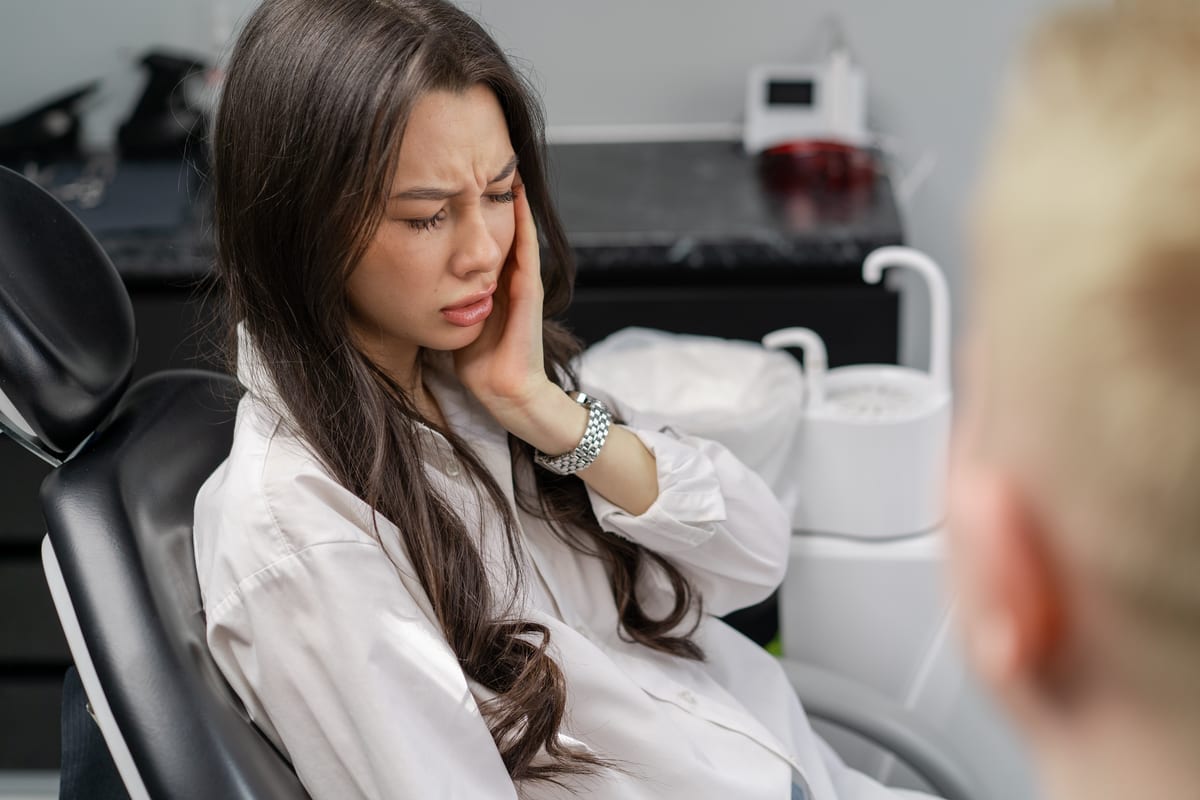
Even a well-maintained crown eventually reaches the end of its life. Recognizing the signs early prevents bigger problems from developing. One of the first signs is increased sensitivity to hot or cold temperatures. If a crowned tooth that never bothered you suddenly reacts to temperature, something has changed underneath.
A loose or shifting crown is a more urgent sign. Crowns can lose their seal over time, especially if the cement breaks down. Once a crown loosens, bacteria enter the space between the crown and the tooth. This creates a hidden cavity that grows silently until it causes significant damage.
Visible cracks or chips in the crown material are also clear red flags. Even a small chip can compromise the crown’s structure. Chipped porcelain often has rough edges that irritate the tongue and trap plaque. This accelerates gum problems around the crown site.
Watch for these warning signs that indicate your crown may need attention:
- Pain or sensitivity when biting down
- Swelling or bleeding around the crowned tooth
- A crown that feels high or misaligned with your bite
- Visible darkening at the gum line near the crown
- A crown that feels loose or clicks when you chew
If you notice any of these signs, don’t wait. Early intervention almost always means a simpler, less costly solution. Delaying often turns a manageable repair into a full replacement—or worse, a tooth loss situation requiring Implant Crowns And Bridges.
How to Protect Your Crown and Make It Last the Full 15 Years
The good news is that protecting your crown doesn’t require complicated routines. Consistent, simple habits make an enormous difference over time. Start with brushing twice daily using a soft-bristled toothbrush. Hard bristles and aggressive brushing wear down crown margins and irritate gum tissue.
Flossing daily around your crown is non-negotiable. Use a gentle sliding motion rather than snapping the floss down hard. Water flossers are an excellent supplement for crowns—they flush debris from around the crown margin effectively. Ask Dr. Logan French which flossing method works best for your specific crown placement.
If you grind your teeth, a custom night guard is one of the best investments you can make. Over-the-counter guards offer some protection, but custom-fitted versions from your dentist distribute pressure much more evenly. Many Mission Hill patients who start wearing night guards see dramatically longer crown lifespans as a result.
Routine checkups every six months allow Dr. French to monitor your crown closely. X-rays can reveal early decay under the crown before it becomes visible or painful. Professional cleanings also remove tartar buildup around the crown margins that home care can’t reach. Prevention is always easier—and more affordable—than replacement.
Some patients also combine crown care with cosmetic goals. If you’re considering brightening your smile alongside your crown maintenance, ask about Teeth Whitening options that complement your restoration. Keep in mind that whitening treatments affect natural teeth—not the crown material itself—so timing matters.
Conclusion: Your Crown Is Worth Protecting
A dental crown is a significant restoration that supports your ability to chew, speak, and smile with confidence. Mission Hill patients who understand the threats—grinding, hard foods, poor hygiene, and skipped appointments—are far more likely to reach that 15-year milestone. The habits you build today directly determine how long your crown performs tomorrow. Dr. Logan French and the team at JP Dental – Jamaica Plain are here to help you protect every restoration you’ve invested in. Book Now to schedule your appointment with our team.
Frequently Asked Questions
How long does a dental crown last on average?
Most dental crowns last between 10 and 15 years. With excellent oral hygiene, a proper bite, and regular checkups, some crowns last 20 years or more. Material type and daily habits both play a major role in longevity.
Can a tooth decay under a dental crown?
Yes. The natural tooth structure underneath a crown is still vulnerable to decay. Bacteria can enter at the gum line if the crown margin is not kept clean. Regular brushing, flossing, and dental visits help prevent this from happening.
What happens if I grind my teeth and have a crown?
Teeth grinding—bruxism—puts excessive pressure on crowns and can cause cracking, chipping, or loosening of the cement bond. A custom night guard from your dentist significantly reduces this risk and extends the life of your crown.
When should I see a dentist about my crown?
See a dentist promptly if you notice sensitivity, pain when biting, looseness, visible cracks, or swelling near the crown. Early evaluation almost always leads to simpler treatment. Waiting too long can result in the tooth beneath the crown being lost entirely.
Does teeth whitening work on dental crowns?
Whitening treatments do not change the color of dental crowns. They only lighten natural tooth enamel. If you want to brighten your smile and have existing crowns, speak with Dr. Logan French about timing and options so your natural teeth and crowns match well.