

You tried whitening strips. You used a whitening toothpaste. Maybe you even tried a professional kit. Yet your teeth still look dull or discolored. If you are asking why your teeth whitening isn’t working, intrinsic vs. extrinsic stains in Boston may be the answer. Understanding which type of stain you have changes everything about your treatment plan. Dr. Logan French at JP Dental – Jamaica Plain helps Boston patients find the right solution for their specific stain type.
The Difference Between Extrinsic and Intrinsic Stains
Not all tooth discoloration is the same. The type of stain determines which treatments will actually work for you. Treating the wrong stain type wastes time and money.
Extrinsic stains live on the outer surface of your tooth enamel. They come from things you eat, drink, or smoke. These stains respond well to whitening treatments because they sit on the surface layer.
Intrinsic stains are a different story. They form inside the tooth structure itself. Whitening agents cannot reach them. No amount of bleaching gel will lift a stain that lives deep within the dentin.
- Common causes of extrinsic stains: coffee, tea, red wine, tobacco, and dark sauces
- Common causes of intrinsic stains: certain antibiotics (like tetracycline), excessive fluoride during childhood, tooth trauma, and aging
- Extrinsic stains: yellowish or brownish surface discoloration
- Intrinsic stains: gray, bluish, or deep yellow tones that appear even beneath enamel
Knowing which category applies to you is the first step. A dentist can examine your teeth and identify the stain type quickly. Skipping this step often leads to repeated whitening failures.
Why Whitening Products Fail on Intrinsic Stains
Whitening treatments use hydrogen peroxide or carbamide peroxide. These bleaching agents work by oxidizing surface stain molecules. They are effective on extrinsic discoloration sitting on or near the enamel surface.
Intrinsic stains are embedded in the dentin layer beneath the enamel. Bleaching agents simply cannot penetrate deep enough to reach them. This is the most common reason why your teeth whitening isn’t working despite consistent effort.
Some patients apply whitening treatments repeatedly, hoping for better results. Over-whitening can actually weaken enamel and increase tooth sensitivity. It still will not fix an intrinsic stain.
- Whitening strips and gels are designed for surface-level discoloration only
- Professional in-office whitening is stronger but still limited to extrinsic stains
- Repeated whitening on intrinsic stains can cause enamel erosion and sensitivity
- A professional diagnosis prevents wasted effort and unnecessary tooth damage
The good news is that intrinsic stains have real solutions. They just require a different approach than bleaching. Dr. French can assess your stain type and recommend the most effective path forward.
Extrinsic Stain Solutions: When Whitening Does Work in Boston
If your stains are extrinsic, whitening treatments can absolutely work. The key is choosing the right level of whitening for your situation. Over-the-counter strips may work for light staining. Heavier surface discoloration typically responds better to professional whitening.
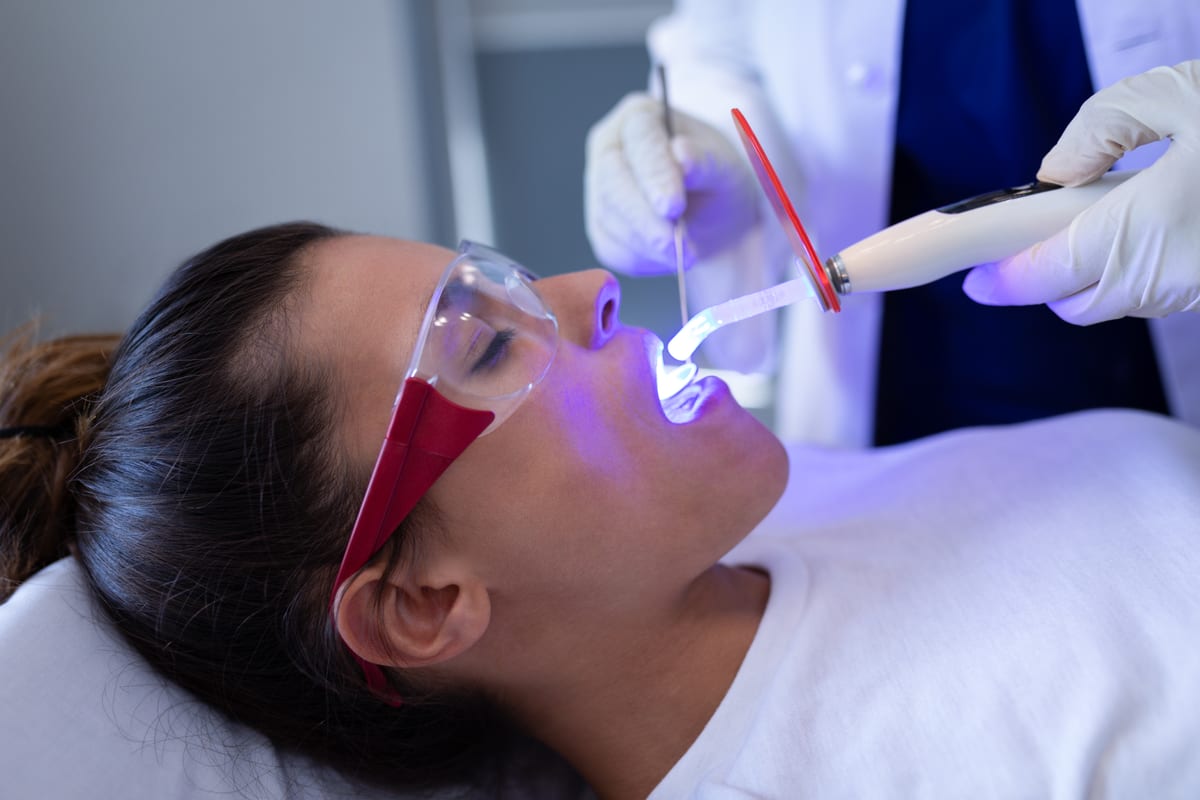
Professional whitening at JP Dental uses stronger concentrations than drugstore products. Dr. French can also customize trays for at-home use after an in-office treatment. This combination approach gives patients in Boston longer-lasting results.
Beyond whitening, good daily habits prevent extrinsic stains from returning. Rinsing after coffee or tea makes a real difference. Regular dental cleanings remove surface buildup that contributes to dullness.
Patients with mild to moderate extrinsic stains often see dramatic improvement in a single professional whitening session. Results can last one to three years with proper maintenance. This is a reliable, conservative option when whitening is actually the right tool.
Intrinsic Stain Alternatives: Veneers, Crowns, and More
When whitening cannot help, cosmetic dentistry offers powerful alternatives. These solutions cover or replace the discolored tooth structure entirely. They deliver results that bleaching could never achieve.
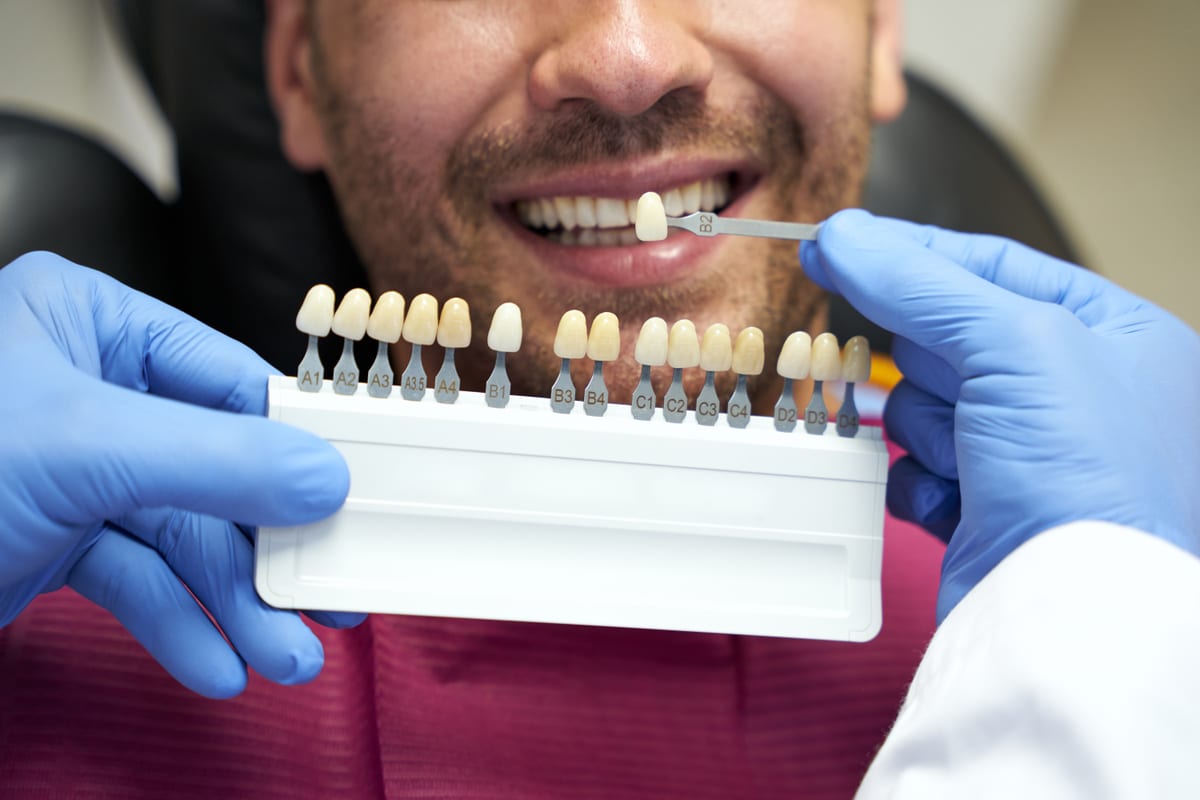
Veneers Boston patients choose are thin porcelain shells bonded to the front of teeth. They completely mask intrinsic discoloration. Veneers are custom-made to match your ideal shade and shape. They are one of the most popular solutions for stubborn staining that whitening cannot fix.
Dental crowns are another option for severely discolored or damaged teeth. A crown caps the entire tooth, hiding intrinsic stains completely. For teeth that have been compromised by trauma or decay alongside staining, crowns serve a dual purpose.
For patients who have lost teeth or need more extensive restoration, Implant Crowns And Bridges Boston patients rely on offer both function and a naturally bright appearance. These restorations are crafted to match surrounding teeth. They eliminate staining concerns permanently in those areas.
Dr. French evaluates each patient individually before recommending any of these options. The goal is always the most conservative solution that delivers a lasting result. Boston patients deserve a treatment plan built around their actual needs.
Getting the Right Diagnosis at JP Dental – Jamaica Plain
The most important step is getting a professional evaluation. Many patients spend months trying whitening products that will never work for their stain type. A quick exam at JP Dental can identify whether your discoloration is extrinsic, intrinsic, or a combination of both.
Dr. Logan French takes time to explain exactly what is causing your discoloration. He walks patients through all available options so they can make an informed decision. There is no one-size-fits-all answer in cosmetic dentistry.
Boston patients from Jamaica Plain and surrounding neighborhoods trust JP Dental for honest, personalized guidance. Whether the solution is professional whitening, veneers, or another approach, the right answer starts with an accurate diagnosis. Stop guessing and start with the facts about your own smile.
If you have been struggling with whitening results that disappoint, you are not alone. Many people do not realize that stain type determines treatment success. Schedule a consultation and find out exactly what your teeth need. Book Now to schedule your appointment with our team.
Frequently Asked Questions
Why isn’t my teeth whitening working even after multiple treatments?
The most likely reason is that you have intrinsic stains. Whitening products only work on extrinsic stains sitting on the enamel surface. Intrinsic stains form inside the tooth and cannot be reached by bleaching agents. A dentist can confirm your stain type and suggest the right treatment.
Can any whitening product fix intrinsic tooth stains?
No. Intrinsic stains are embedded within the dentin layer of the tooth. No over-the-counter or professional whitening product can penetrate deeply enough to remove them. Cosmetic treatments like veneers or crowns are the most effective solutions for intrinsic discoloration.
What causes intrinsic stains on teeth?
Intrinsic stains can result from several factors. These include exposure to certain antibiotics like tetracycline during tooth development, excessive fluoride intake in childhood, tooth trauma that affects the inner pulp, and natural aging that darkens dentin over time.
Are veneers a good option for teeth that won’t whiten?
Yes, veneers are an excellent option for teeth with intrinsic stains. They are thin porcelain shells bonded to the front surface of teeth, completely masking deep discoloration. Veneers are custom-designed to achieve your preferred shade and can dramatically transform your smile.
How do I know if my stains are extrinsic or intrinsic?
A dental examination is the most reliable way to determine your stain type. Extrinsic stains are often yellowish or brownish and linked to dietary habits or tobacco use. Intrinsic stains tend to appear grayish or deeply yellow and are not affected by surface whitening. Dr. French at JP Dental can evaluate your teeth and give you a clear diagnosis.